My recently re-released novel, City of the Gods is meant to be a love letter to kaiju media but this kind of story is fairly uncommon in fiction. Kaiju is mostly a cinematic genre and I wanted to take a moment to discuss some of the great giant monster stories that were an influence on my book while I was writing it and a couple of notable entries which were released in the fifteen years since.
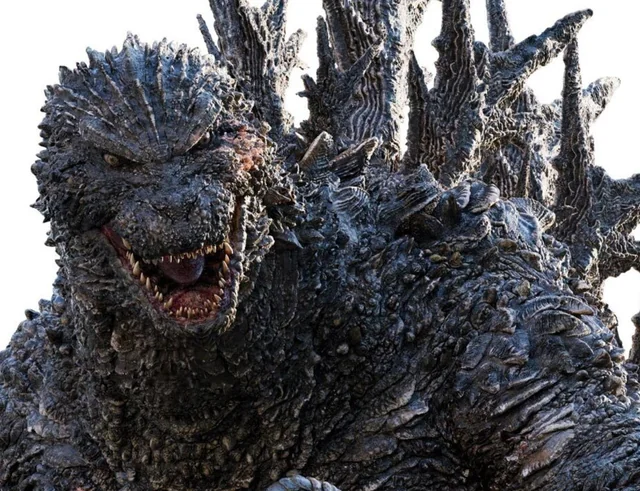
You can’t talk about kaiju without talking about Godzilla, while it’s not the only game in town, the series originated the genre as we know it today and continues to dominate it. As of this writing there have been 38 films in the over 70 year-old series and it is actually going stronger than ever with both an American-produced cinematic universe with multiple films and television series and a revitalized Japanese film series, which won its first Academy Award for the terrific Godzilla Minus One, due to get a sequel later this year and even other Japanese films in development.
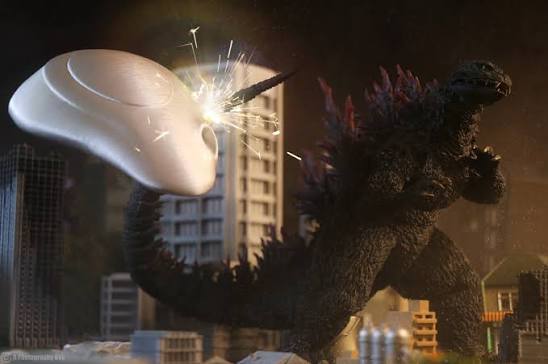
I’m sure you can look at the seventy year old series and find lots of similarities to my book from the decision to give Quetzalcoatl an oceanic resting place so he could come ashore like Godzilla, to his battles with a UFO not unlike Godzilla 2000, to his tussle with a multi-headed opponent. There are tons of homages to the series but probably the Godzilla movies that were the biggest influences on City of the Gods were 1991’s Godzilla vs King Ghidorah and 2001’s Godzilla, Mothra, King Ghidorah: Giant Monsters All-Out Attack. While not the first movie to introduce this concept, Godzilla Final Wars from 2004, famously featured kaiju used by aliens as weapons of mass destruction against humanity, much as is the case in COTG.
Like COTG, Godzilla vs King Ghidorah involves UFO aliens who have a seemingly benevolent agenda. Also like COTG, it is a time-travel Kaiju story, which was unprecedented when the movie was released and still uncommon. In fact, Godzilla's origin in GvKG revolves around a time loop. It's a pretty unique movie in the series. While the writing of COTG is a bit of a blur to me, as lover of time travel stories I would not have been able to resist including this element in my book and GvKG certainly opened the door to do so in this genre. So, you know, blame them if you didn't like the book.
Whereas the previous movie has a definite sci-fi angle on Godzilla, Godzilla, Mothra, King Ghidorah: Giant Monsters All Out Attack (which will hereby be referred to as GMK for obvious reasons) takes a more mystical view of the genre with all of the title monsters being akin to nature spirits and Godzilla himself being a manifestation of Japan’s war-time dead. While the movie has no real plot points in common with COTG, the film's mysticism, grandeur, and vibe were all an influence on the book since GMK is widely considered to be among the best of the Godzilla series. Like the guardian monsters who rise to oppose Godzilla in the movie, Quetzalcoatl rises to defend Mexico (and also the Earth) from the Nahuan invaders.
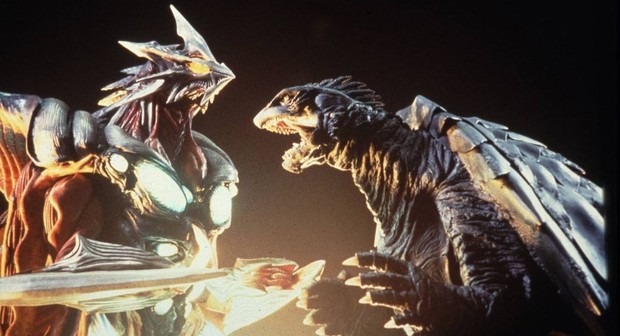
From Gamera 3: Revenge of Iris
Before he was granted directing duties on GMK, director Shusuke Kaneko cut his teeth on a trilogy of movies in the 1990’s featuring Godzilla’s main cinematic rival, Gamera. Gamera: Guardian of the Universe, Gamera 2: Legion, and Gamera 3: Revenge of Iris tell the story of a turtle-esque kaiju created by an ancient civilization who serves as a guardian of Earth against a series of giant monsters. This depiction of Gamera was a big influence on the way Quetzalcoatl is written in COTG. Both kaiju occupy a similar position in the spectrum of villainous destruction (Say GMK Godzilla or Shin Godzilla) to mindless animal (1998 Godzilla) to antihero (Legendary Godzilla) to cuddly pal (Showa Gamera and late Showa Godzilla). Both kaiju are tough-as-nails brawlers who are reluctant defenders of humanity or at least the Earth. I also just love these movies and think they are among the best in the genre.
Another notable entry in the genre was 2008's Cloverfield a rare "found footage" kaiju movie. This American feature film gives the audience a full first-person perspective on a giant monster attack. The horror and immediacy of the movie was certainly something I had in mind when I was writing COTG, specifically the scenes of Eddie on the ground during Coatlicue's attack on the city.
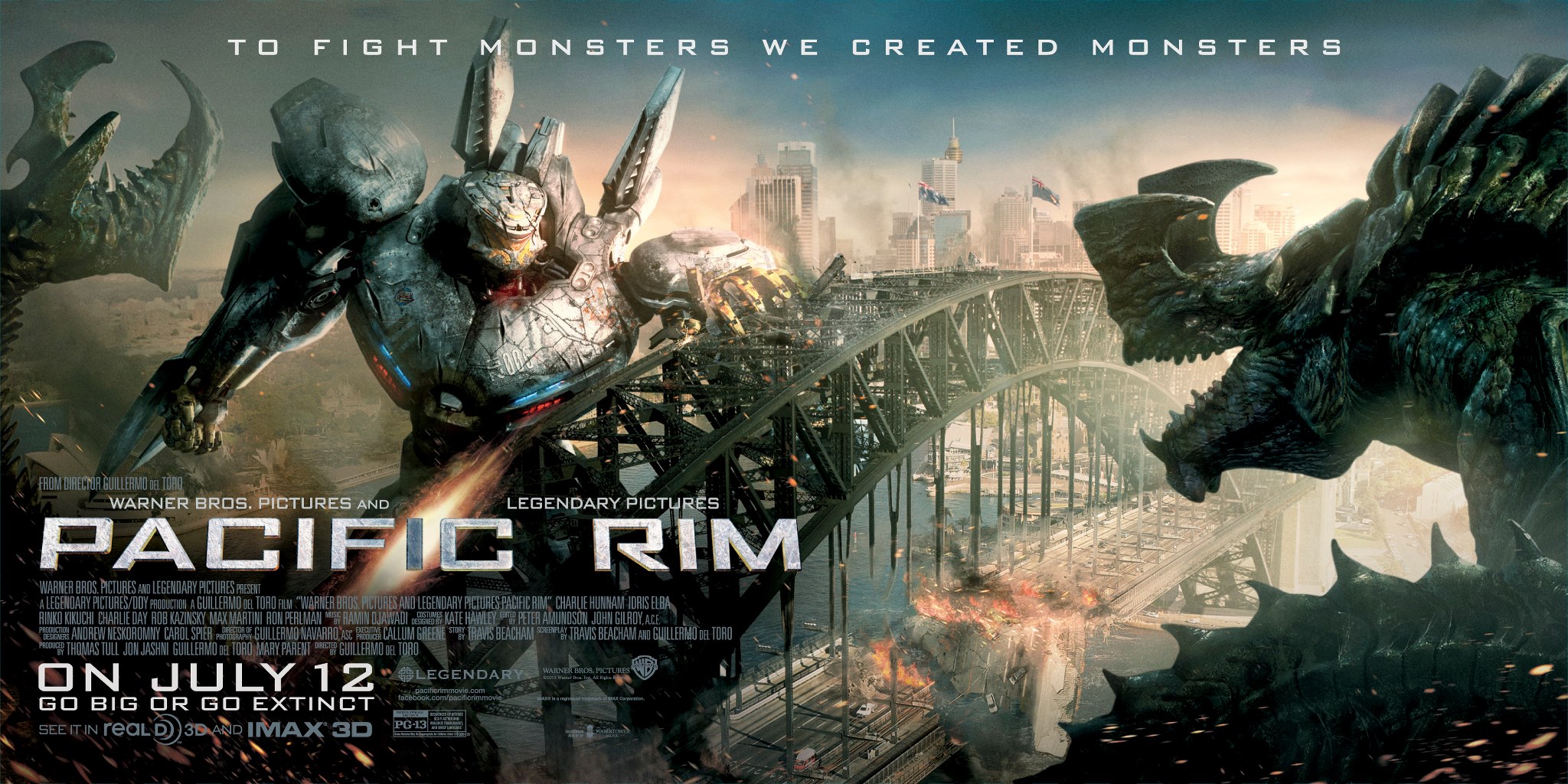
A few years after the release of City of the Gods the landmark kaiju-versus-mecha epic Pacific Rim was released. The movie was directed by Oscar-winning director Guillermo del Toro (also my fantasy pick for directing duties on a prospective COTG film, if anyone cares) who is no stranger to genre films (a couple of them have been featured on Monster Movie of the Week). While there is not too much in common plotwise between City of the Gods and Pacific Rim (other than a similar kaiju birth scene) but I'm intrigued by the film's reputation. It has been called alternately the "smartest dumb movie ever made" and the "dumbest smart movie ever made," which is backhanded praise but speaks to how we look at this genre and the contradictions inherent in an auteur like del Toro making a "silly monster versus robot" movie that takes itself less than seriously. The result is an often ridiculous film made with a lot of meticulous attention to detail and artistry that you don't often see in the genre, which are often made by talented journeymen directors. I like to think that mix of silliness and thoughtfulness is at play in COTG, which for all its big dumb action set pieces, has a distinct point-point-of-view and things to say about the world and history.
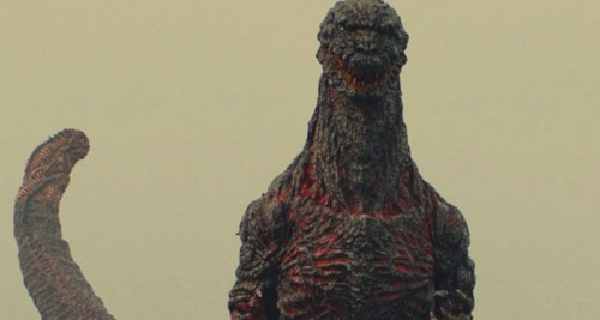
Shin Godzilla, 2016
A lot of Godzilla movies in the twenty-first century have had a notable vein of seriousness to them. The first of the American movies, 2014's Godzilla is a fairly somber affair in which the kaiju action largely takes a backseat to the human drama. The Japanese series relaunched in 2016 with Shin Godzilla, a new take on Godzilla that is more grounded and scarier than traditional Godzilla fare. While the American movies went into a more action-oriented and fun direction, the Japanese films doubled down on human drama in the acclaimed and Oscar-winning Godzilla Minus One, which is nothing short of a post-war drama set wrapped around a kaiju movie.
Thankfully the addition of King Kong to the Legendary movies, starting with his own movie 2017's Kong: Skull Island, has reintroduced an element of levity to the franchise. Both Godzilla v. Kong and Godzilla X Kong: The New Empire are incredibly fun examples of the genre featuring unexpected humor, great characterization, and sometimes surprising action.

No comments:
Post a Comment