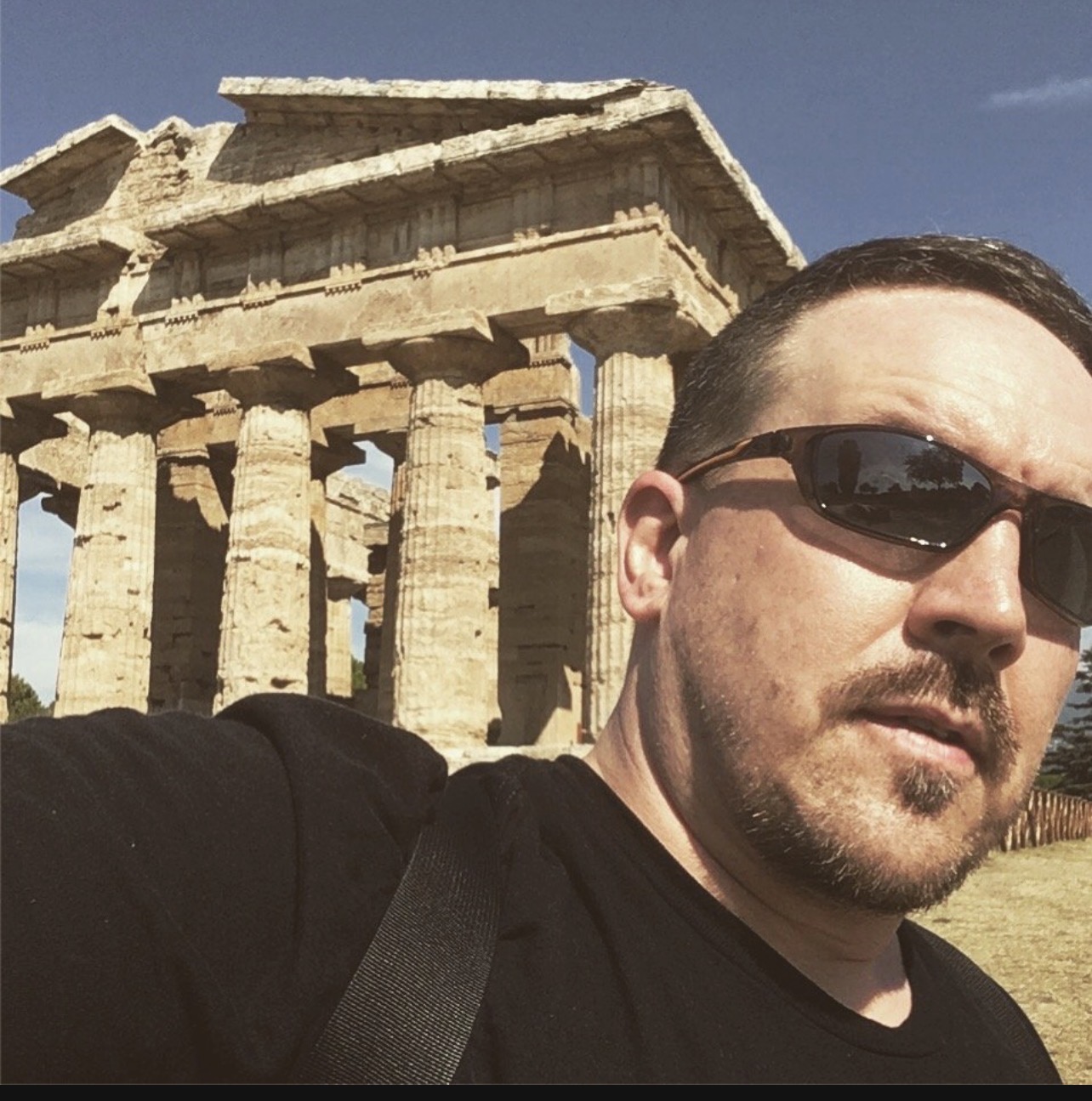
My upcoming novel, We Lowly Gods, is set to release in June. It’s a story I’ve been living with for a long, long time. As in, since the early 1990’s. 😬
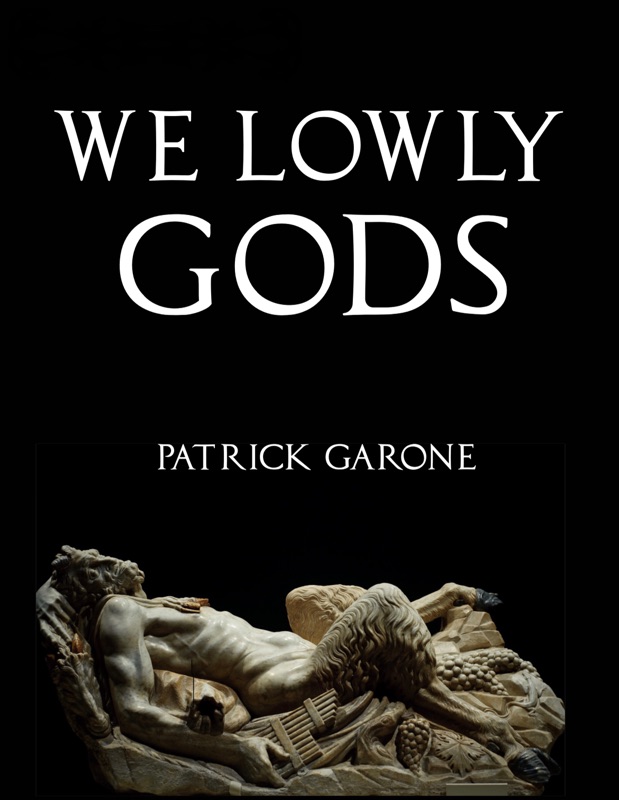
The novel is a mythic fantasy adventure set in the waning years of an Ancient Greece in which it has been decades since anyone has seen the Olympian gods. All that remains of their great pantheon are scattered communities of Chimerics—Fauns, Centaurs, Nymphs, and other wild creatures scraping by in the shadows of humanity. When a Faun is brutally murdered outside a remote village in ancient Sicily, it sets our Chimeric heroes on a quest to find out what happened to the gods and to put into place a daring plan to replace them and to keep humanity in check. Unfortunately, they are not the only ones attempting to fill the void left behind by the gods and other powerful entities plan to install their own faiths, faiths that do not include a place for misshapen Chimeric demigods.
The earliest version of this story, a vignette featuring a young Faun looking out over the orgiastic Festival of Pan and contemplating his place in the world—was written in a high school creative writing class. Although I no longer have the MacWrite file for that piece, there is a scene in the final book that is very similar to that original piece (as far as I can recall, that is.)
As I worked on the story in the ensuing years (in a variety of archaic word processors), it became a tale about a young Faun who was tasked by his elders with escorting a powerful god-creature across a mythological landscape in order to revitalize a blighted world. From a certain point-of-view that is still a major plot of We Lowly Gods. Fun fact: after the release of The Phantom Menace, I rewrote the story to feature a young Qui-Gon Jinn who crash lands on a primitive, off-limits planet and is given a similar task. Lucasbooks, if you are reading, this is still a viable story.
The story took a backseat to other pursuits, theatrical projects, my first novel, City of the Gods (no relation), going back to school to get my Bachelors and Masters, and it faded into my subconscious the way abandoned stories sometimes do.
That is until 2019. In 2019, I was fresh out of a seven-year relationship that ended in a kind of personal disaster. I was feeling deeply isolated and depressed and barely holding it together, with only a truly excellent cat to keep me company.
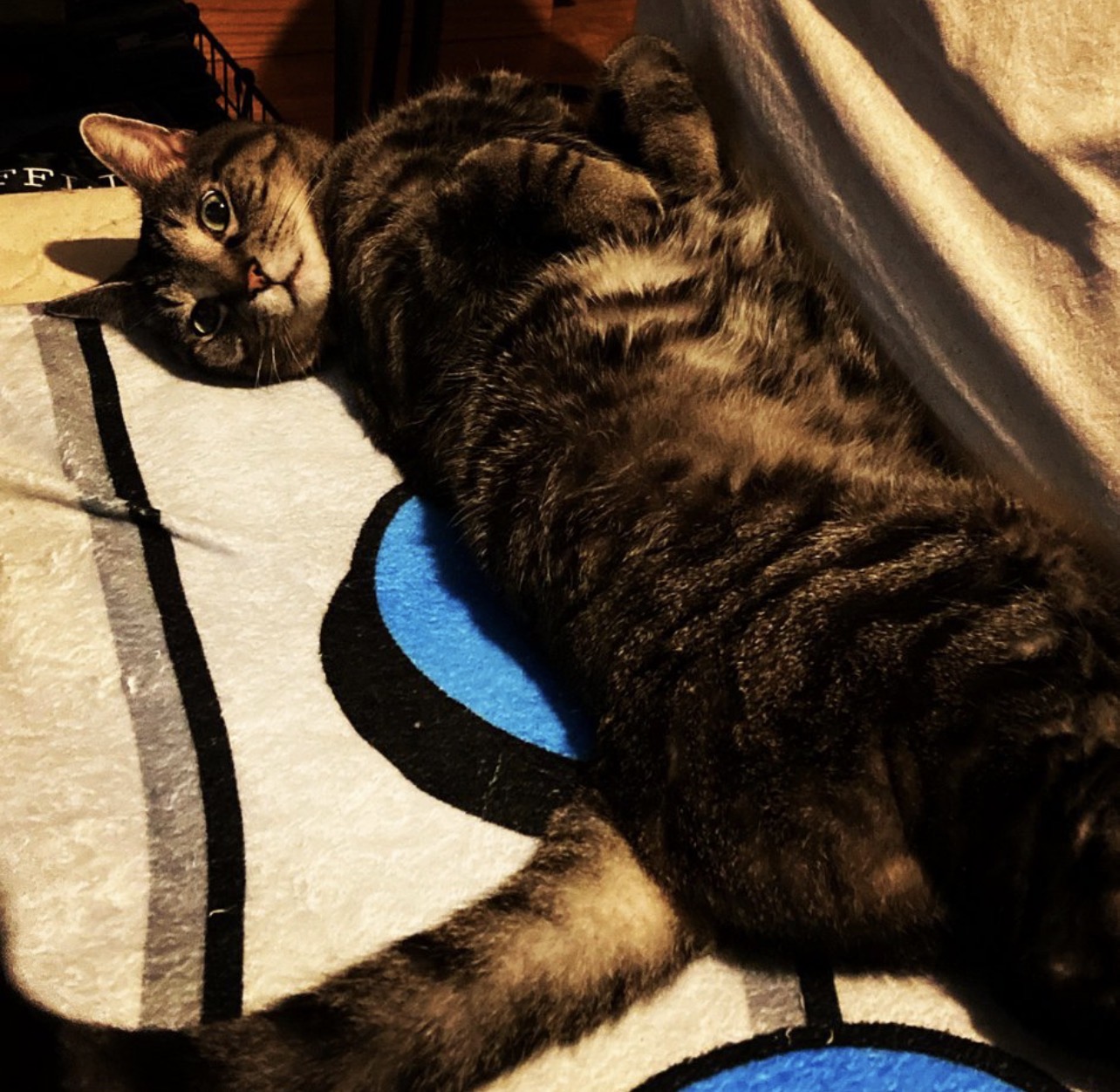
RIP, Arigato. Thank you, indeed.
As I was working my way through this dark period, I decided to complete a bucket-list trip to southern Italy which took me from Naples, to Salerno, to Palermo. I hadn’t gone on a big international trip in a decade and it was exciting to get back on the road for three weeks. And while I saw some amazing Roman ruins like Pompeii and Herculaneum I was not ready for all the stunning Greek sites that dot the region.
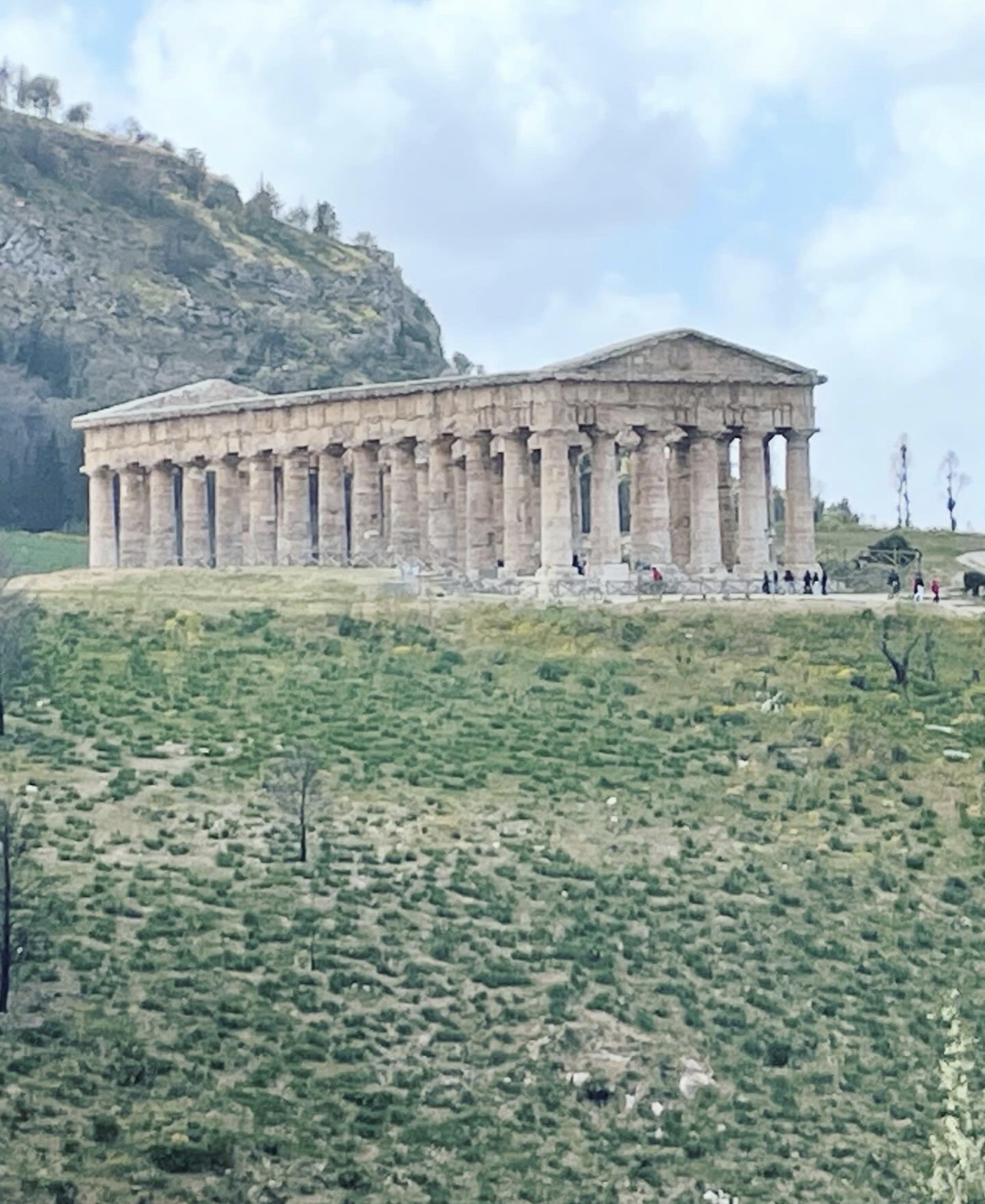
The ruins at Segesta, in Sicily.
Southern Italy and Sicily it turns out were the sites of major Greek colonies which, in some cases, surpassed even eastern cities like Athens. Greek culture is a major part of the unique cultural identity of southern Italy and some of the finest examples of Classical Greek architecture are actually found in Italy. So there I was wandering around places like Paestum, Agrigento, and Segesta and I got to thinking about my old story about the Fauns and wondered “What if it took place in Italy instead of Greece?” More than anything, that change gave me an instant cultural connection to the material, after all, my family is from southern Italy, that those Greek colonists could have been my own ancestors.
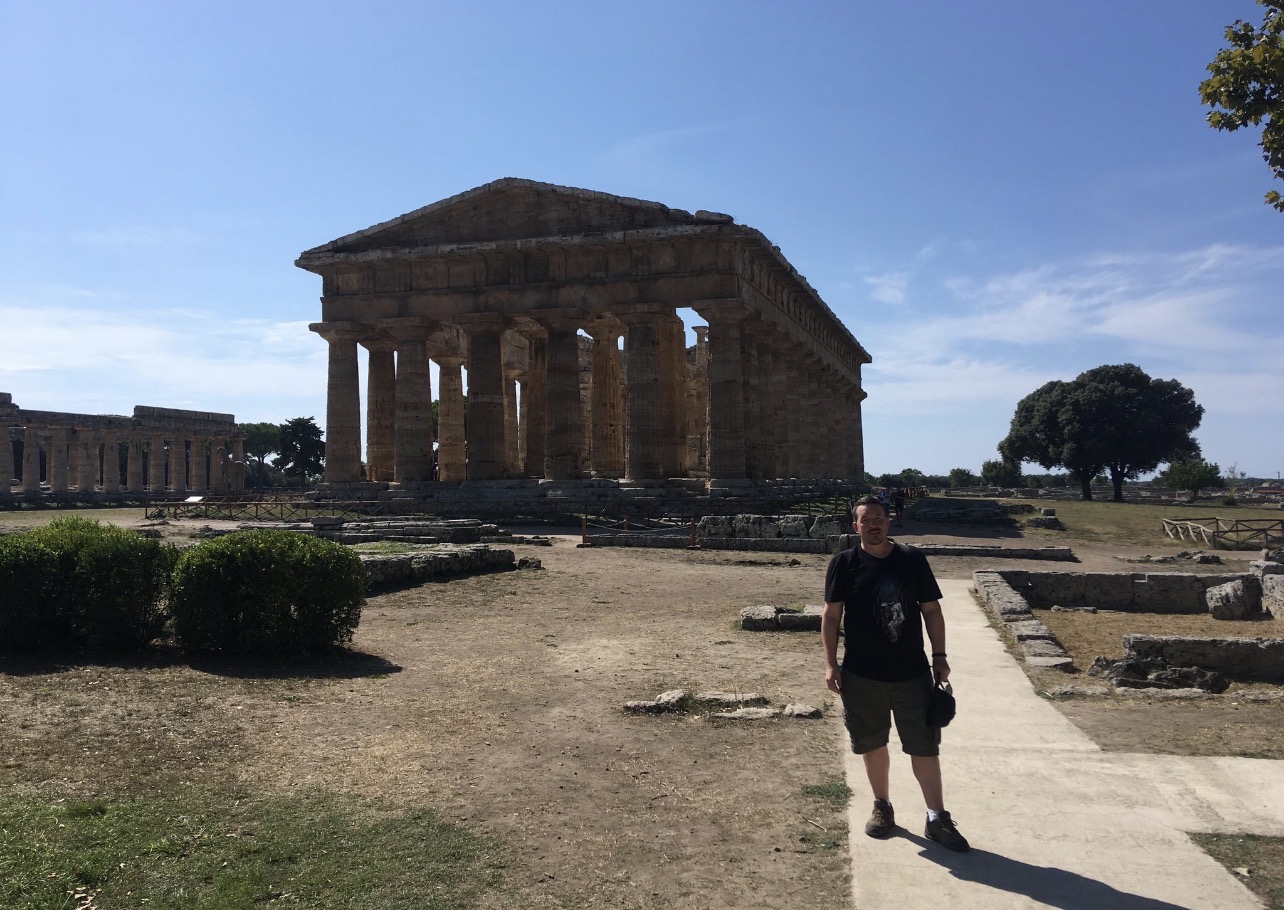
The ruins at Agrigento in Sicily.
From there it was off to the (chariot) races. I wrote a short story and over the next couple of drafts expanded it into a novel, letting the characters and story beats stretch out and breathe. I worked on it during a couple of more trips both in Spain and I finally “finished” it in 2024 on another trip to Sicily, where the beginning of the book would ultimately be set.
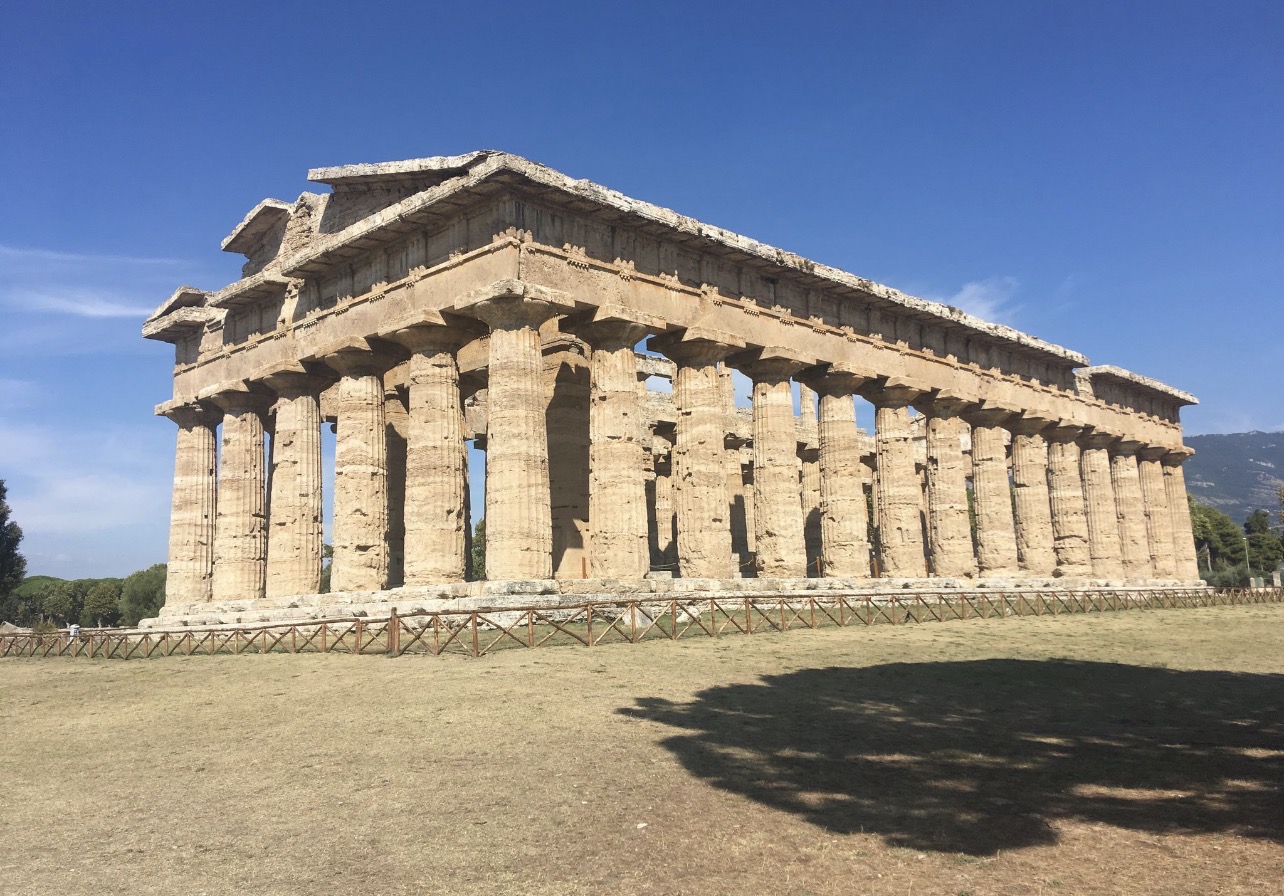
The ruins at Paestum, near Salerno.
I’ve followed the example of my favorite author, the late great Anne Rice, a writer of almost exclusively supernatural fiction featuring vampires, ghosts, mummies and other outlandish horror tropes but all infused with her deep humanity, with her own struggles, her own trauma, her own yearning for meaning. Despite the fact that my lead characters are half-goat godlings, We Lowly Gods is truly the most personal thing I’ve written to date in which I deal with some of my own ancient wounds through the prism of what I hope to be a compelling and subversive fantasy adventure filled with gods and creatures.
Look for it in June.
No comments:
Post a Comment